 Skip to main content
Working-age mortality in the UK hasn’t tracked the recovery seen at older ages. Behind the headline sits a changing cause mix that matters for pricing, underwriting and capital. Analysis by our experts Jon Palin and James Hadley breaks down what’s shifting, who it affects, and what insurers should do next.
Since the pandemic, UK mortality has improved at older ages but worsened for working-age adults. Age-standardised mortality rates for ages 20–44 were higher in 2022–2024 than the 2014–2023 average; ages 45–64 also looked heavy in 2022–2023 with modest improvement in 2024.
Behind the headline, cause-of-death patterns have shifted: external causes have risen, cancer gains have slowed in places, and there are step-changes for circulatory and digestive diseases since 2020. For life and protection writers, these dynamics matter for pricing, underwriting, capital and claims strategy.
What the data shows
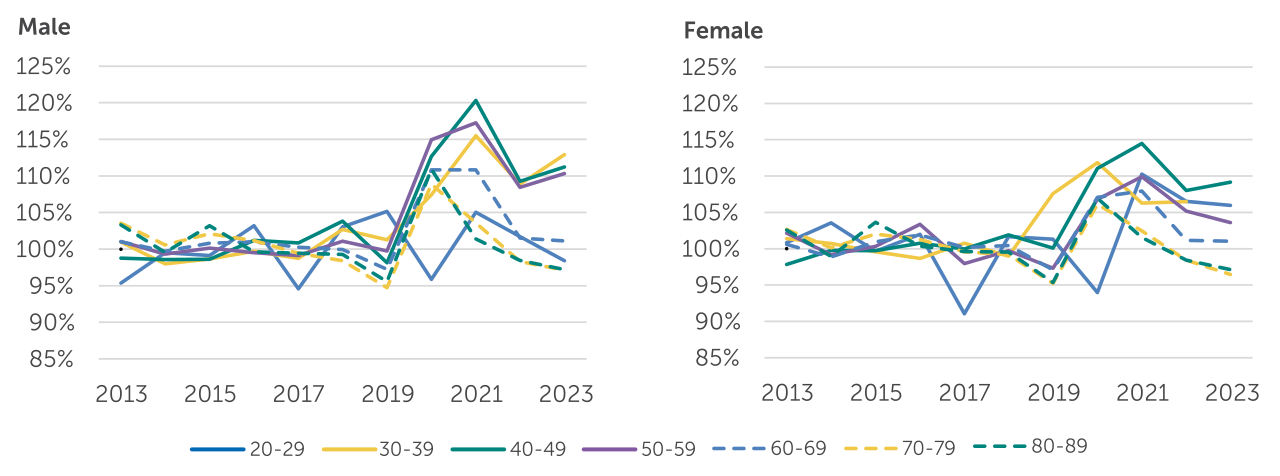
Using ONS data for 2013–2023, working-age trends diverge from pensioner trends. Volatility is greater in the 20s due to low volumes, but older working-age groups have not seen the same post-pandemic relief as pensioners.
Figure 1: All-cause mortality by calendar year relative to the 2013–2019 average by age band
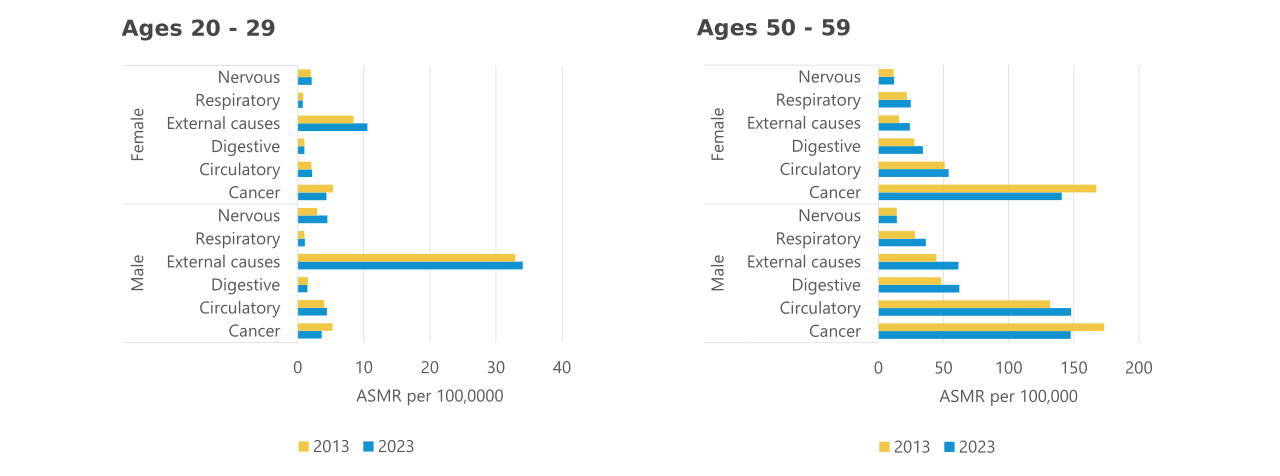
Cause mix differs sharply by age and sex – external causes dominate at 20–29, whereas cancer and circulatory diseases dominate at 50–59.
To show composition clearly at the extremes of working age:
Figure 2: ASMR per 100,000 population for the main causes of death by age band and sex
Cause-of-death highlights
Behind the headline, cause-of-death patterns have shifted: external causes (accidents, suicides, and injury/poisoning from undetermined events) have risen, cancer gains have slowed in places, and there are step-changes in mortality from circulatory and digestive diseases since 2020.
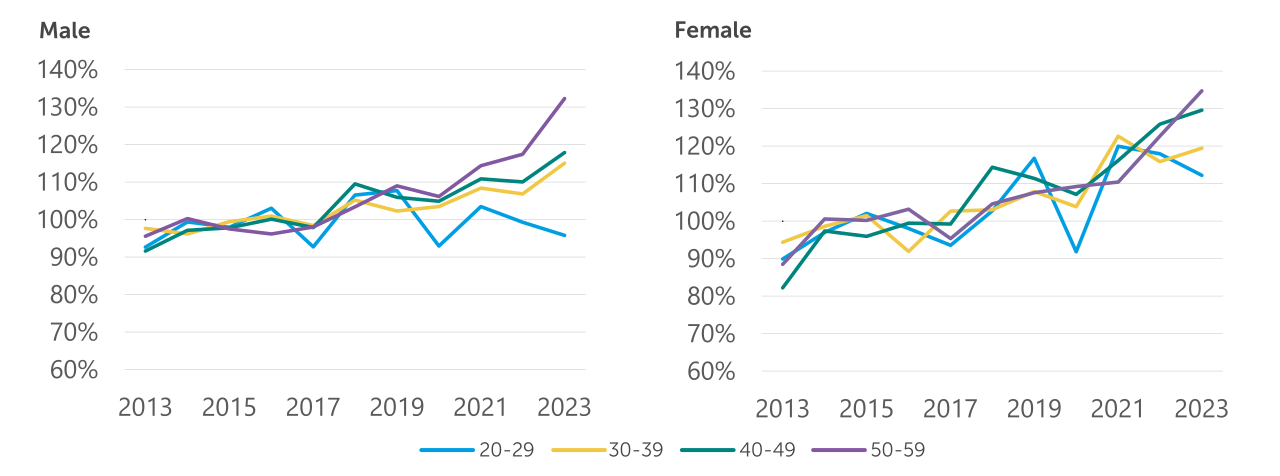
External causes have risen across most working-age bands, with a pronounced increase in 2023 for ages 30–59.
Figure 3: External causes mortality by calendar year relative to the 2013-2019 average by age band
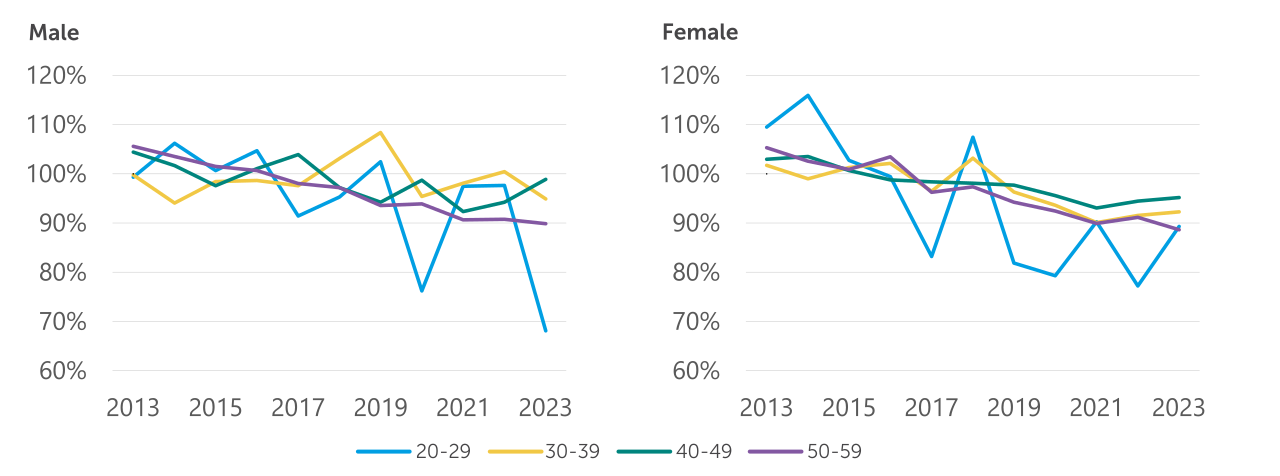
Cancer continues long-run declines overall, but improvements appear to stall after 2021 in some female age bands.
Figure 4: Cancer mortality by calendar year relative to the 2013-2019 average by age band
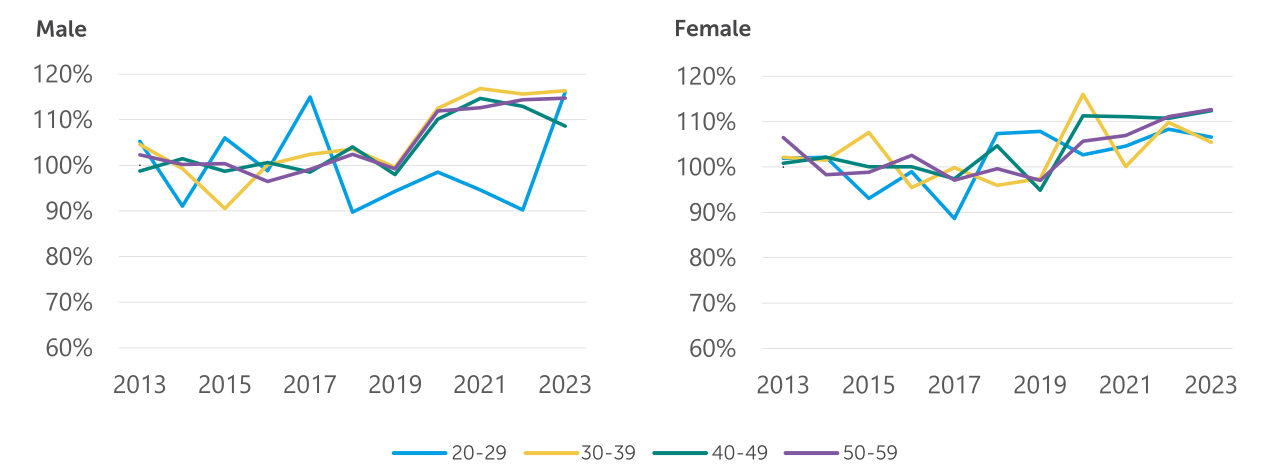
Circulatory diseases show a step-up between 2019 and 2020 that persists through 2023; for males 50–59, circulatory narrowly overtook cancer as the leading cause in 2023.
Figure 5: Diseases of the circulatory system mortality by calendar year relative to the 2013-2019 average by age band
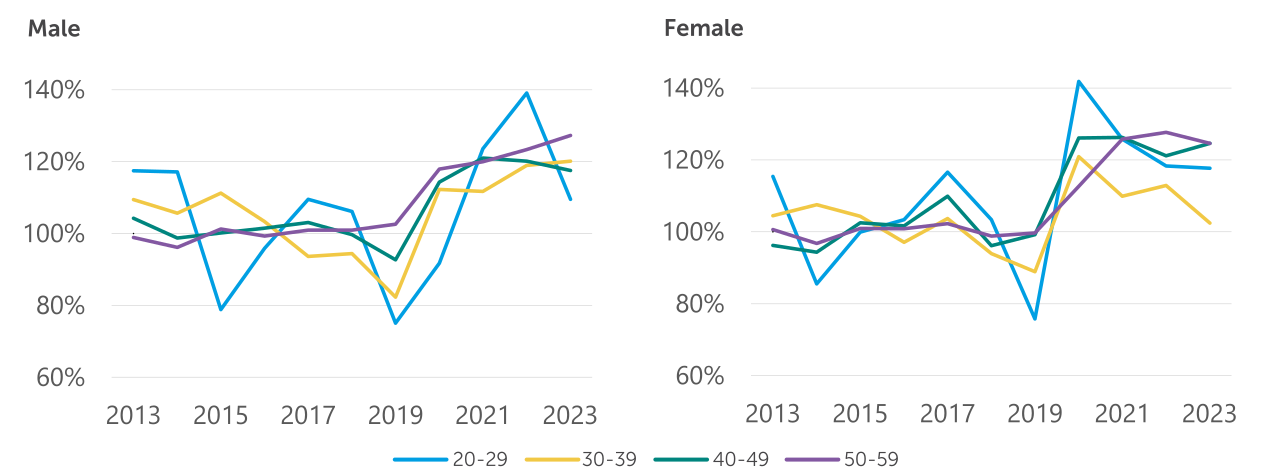
Digestive diseases show a similar 2020 step-change for males; more erratic for females but with evidence of higher recent levels.
Figure 6: Diseases of the digestive system mortality by calendar year relative to the 2013-2019 average by age band
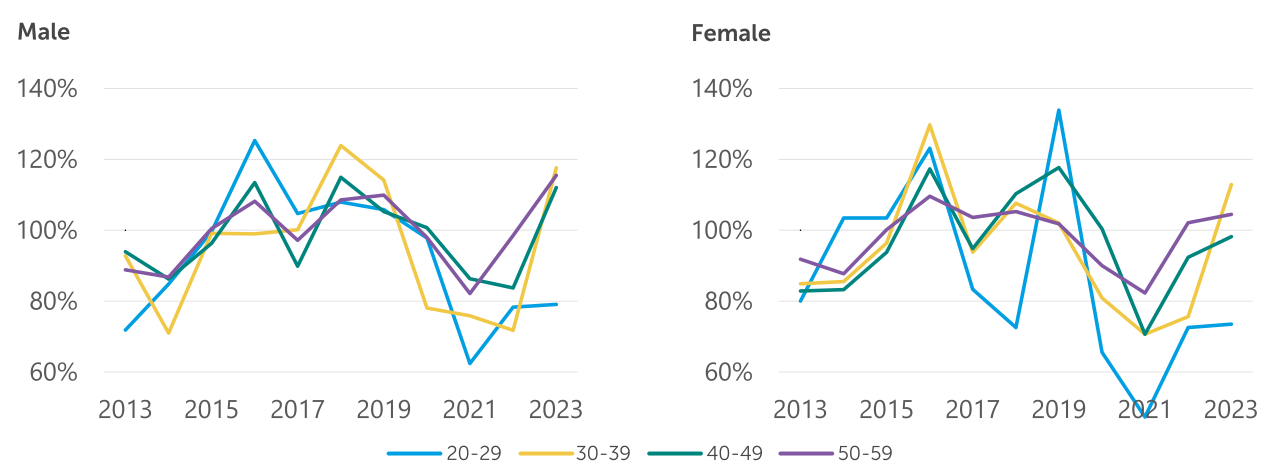
Respiratory disease, which excludes Covid-19, was lighter in 2021–2022, then increased in 2023.
Figure 7: Diseases of the respiratory system mortality by calendar year relative to the 2013-2019 average by age band
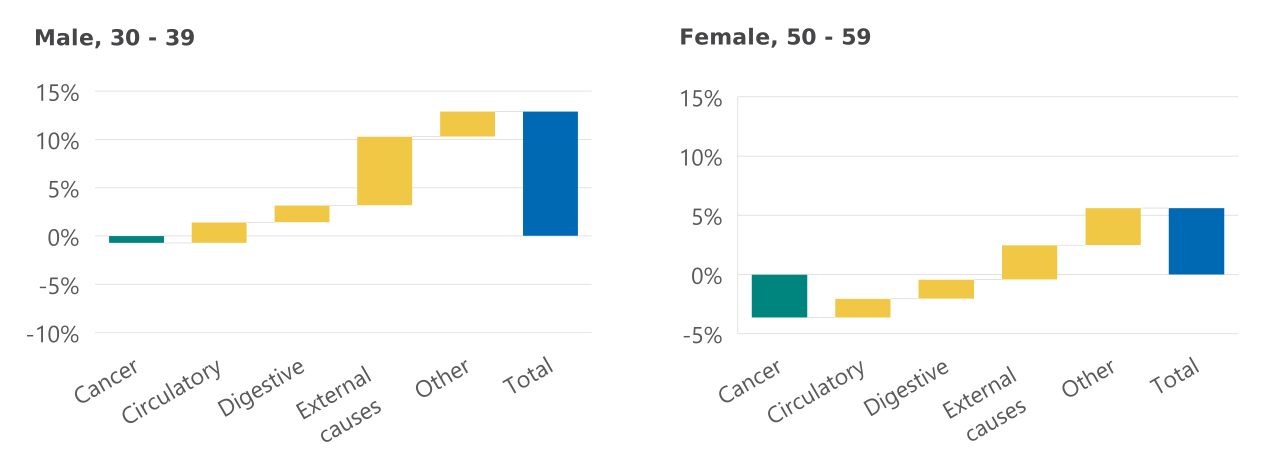
To provide context for what’s driving the net change, we attribute cause-level contributions for two example cohorts – males aged 30–39 and females aged 50–59 – chosen for distinct shifts over the period. While cancer mortality has improved for younger males, that is swamped by higher mortality from external and other causes. For older females, cancer is more important and external causes are less important, but overall mortality has still worsened.
Figure 8: Attribution of each cause to the change in “all cause” mortality between the 2013-2019 average and 2023
What’s driving the shift?
1) “Deaths of despair” within external causes
Mortality from external causes is dominated by accidents, suicides, and injury/poisoning from undetermined events.
Figure 9: Principal causes within external causes (accidents; suicides/undetermined; poisonings incl. narcotics/hallucinogens and alcohol).
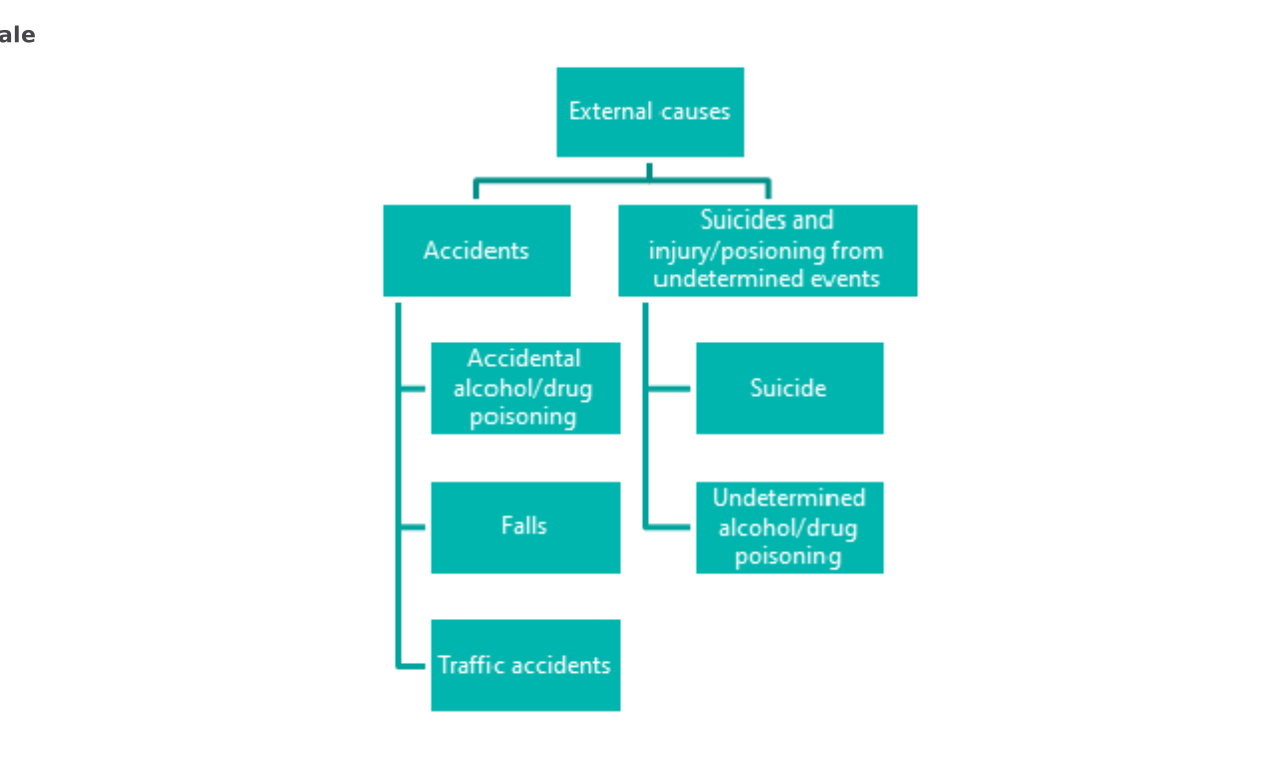
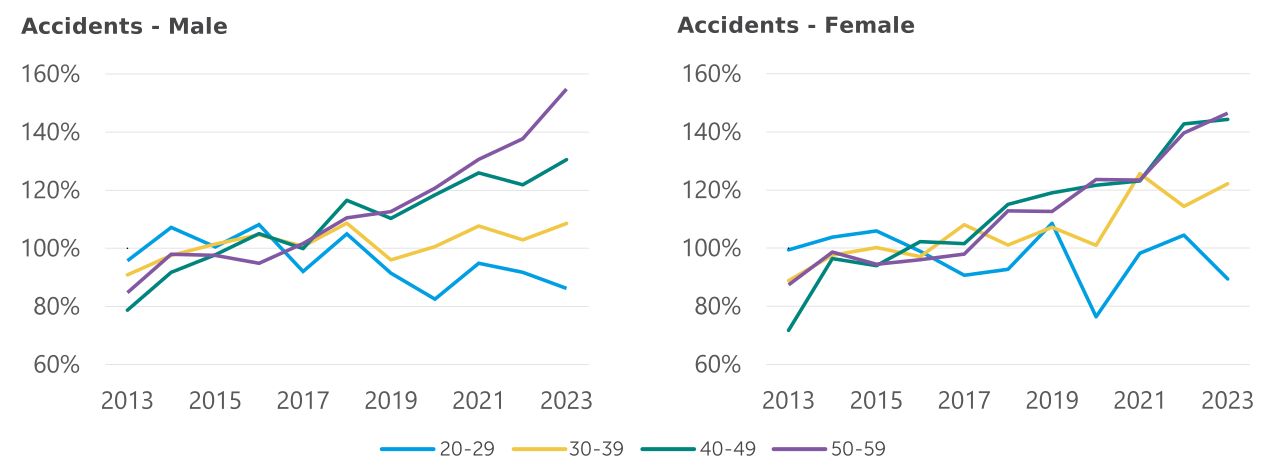
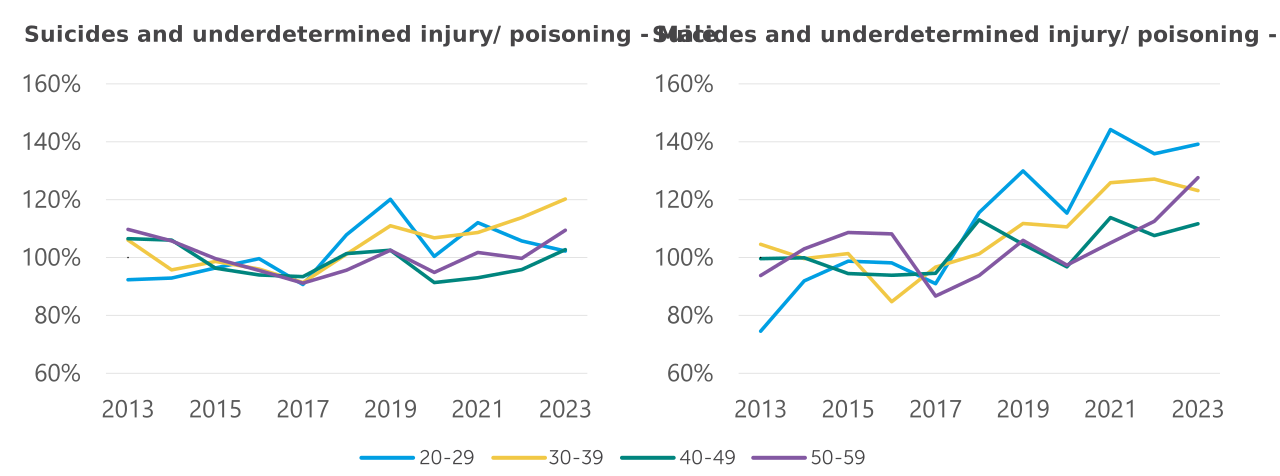
Accidental deaths rose materially for ages 40–59 from ~2018 (and more recently for females 30–39), with accidental poisonings the leading type – driven by narcotics/hallucinogens and “unspecified drugs”. Suicides/undetermined injuries show varied trends: sizable increases for many female bands since ~2018, and a steady rise for males 30–39 from 2019 to 2023.
Figure 10: Mortality by calendar year relative to the 2013-2019 average by age band
2) The pandemic’s lingering shadow
Post-Covid-19 echoes – delayed diagnosis, disrupted care, labour-market and social stressors, and potential Long Covid morbidity – may help explain step-ups in circulatory/digestive mortality and the complex respiratory pattern. While the pandemic’s effects are likely to weaken over time, some cohorts may experience longer-lasting mortality impacts.
3) Lifestyle and chronic disease burden
Rising obesity and metabolic risk contribute to chronic disease pressures. New therapies (e.g. GLP-1 agonists) may dampen some risks, and insurers are starting to understand potential impacts on mortality trends; however, near-term population-level effects remain uncertain and will depend on uptake, adherence, access and duration of use.
What to watch next
- 2024 cause-of-death data: Will improvements at 45–64 persist – and which causes are moving?
- Healthcare access metrics: Ambulance and elective backlogs; primary-care capacity; early-diagnosis programmes.
- Obesity and GLP-1 uptake: Real-world adherence, side effects and cardiovascular outcomes.
- Insured vs general population: Selection and socio-economic mix mean insured lives can diverge from ONS patterns.
This blog was co-authored by Partner and Senior Longevity Consultant Jon Palin and Senior Consultant James Hadley.

Press and media enquiries
For more information, please contact our press team on +44 149 478 8813 or via email.
Email us
Latest insurance insights
Explore further commentary and insights from Barnett Waddingham's expert insurance consulting and longevity team.
Find out more